
📅 Sky calendar
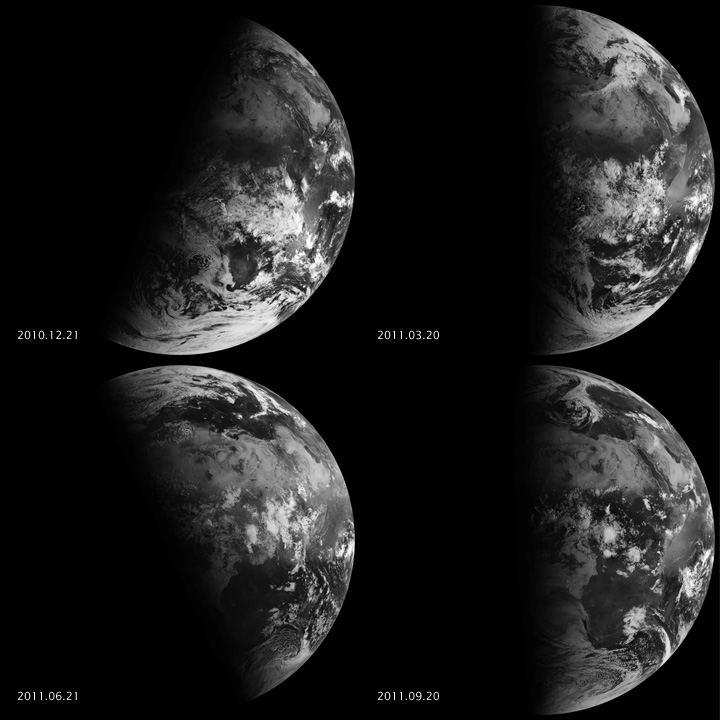
March equinox
Day and night are nearly equal all over the world, and spring begins in the north.
- Next one
- 20 March 2027 at 20:24 UTC, in 142 days
- Day and night
- About 12 hours each, all over the world
- North of the equator
- Spring begins
- South of the equator
- Autumn begins
- The Sun
- Rises due east, sets due west, and is right overhead at noon on the equator
Did you know?
- “Equinox” comes from Latin words meaning “equal night”.
- Day and night are not quite equal on the day itself: the air bends sunlight, so you see the Sun a few minutes before it really rises and after it sets.
- At the North Pole, the Sun rises at the March equinox and then stays up for about six months.
- It falls on 19, 20 or 21 March, because a year is not a whole number of days long.
More NASA photos of March equinoxStraight from NASA’s image library, in the app
Explore more
All of night sky
Orion
The Hunter, with three bright stars in a row for his belt.
Ursa Major
The Great Bear, home of the Big Dipper.
Ursa Minor
The Little Bear, with Polaris at the tip of its tail.
Cassiopeia
A bright W of five stars, named after a boastful queen.
Scorpius
The Scorpion, with red Antares at its heart.
Leo
The Lion, whose head is a backwards question mark of stars.