✨ Is that a star or a planet?
A very bright “star” in the evening or before dawn is often a planet. Here’s how to tell, with no telescope needed.
Five ways to tell
- Does it twinkle? Stars twinkle and flicker, especially low in the sky. Planets shine with a steadier light, because they are close enough to look like tiny discs rather than points.
- Is it brighter than everything around it? Venus and Jupiter outshine every star. If one light is far brighter than the rest, and it isn’t the Moon, it is very likely a planet.
- What colour is it? Mars looks orange-red, Saturn pale yellow, Jupiter creamy white and Venus brilliant white. Stars have colours too, but a bright orange point is usually Mars.
- Where is it? Planets always sit along the same band of sky that the Sun and Moon follow. A bright light near the Moon is often a planet.
- Does it move against the stars? Over a week or two, a planet slowly shifts its place among the stars. Stars keep their patterns for a lifetime.
Moving lights: satellites and planes
- A steady dot gliding across the sky in a few minutes is a satellite, often the International Space Station, which can be brighter than any star.
- Blinking red or green lights belong to a plane.
- A streak that lasts a second is a shooting star: a grain of space dust burning up high above you.
Which planets are bright right now
For anywhere on Earth. For your own city, with times and directions, pick your city.
-
 Mercury not tonightToo close to the Sun to see at the moment.
-
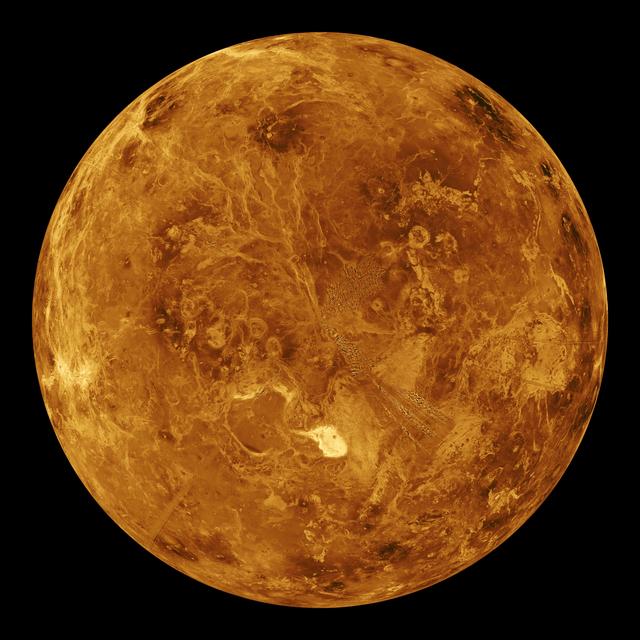 Venus not tonightToo close to the Sun to see at the moment.
-
 Mars before dawnIn the morning sky, before sunrise. A steady, orange-red point of light, like a bright star. Among the stars of Cancer.
-
 Jupiter before dawnIn the morning sky, before sunrise. A steady, creamy white point of light, brighter than any star. Among the stars of Leo.
-
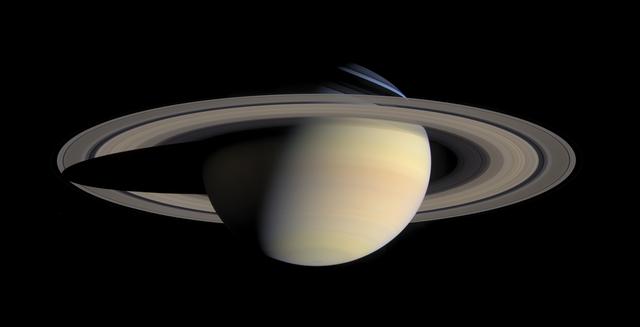 Saturn all nightUp all night. A steady, pale yellow point of light, as bright as the brightest stars. Among the stars of Cetus.